Posts: 6,905
Threads: 32
Joined: Oct 2014
Reputation:
224
Posts: 829
Threads: 5
Joined: Nov 2015
Reputation:
47
09-20-2017, 10:38 PM
(This post was last modified: 09-21-2017, 12:10 AM by Bob_McBob.)
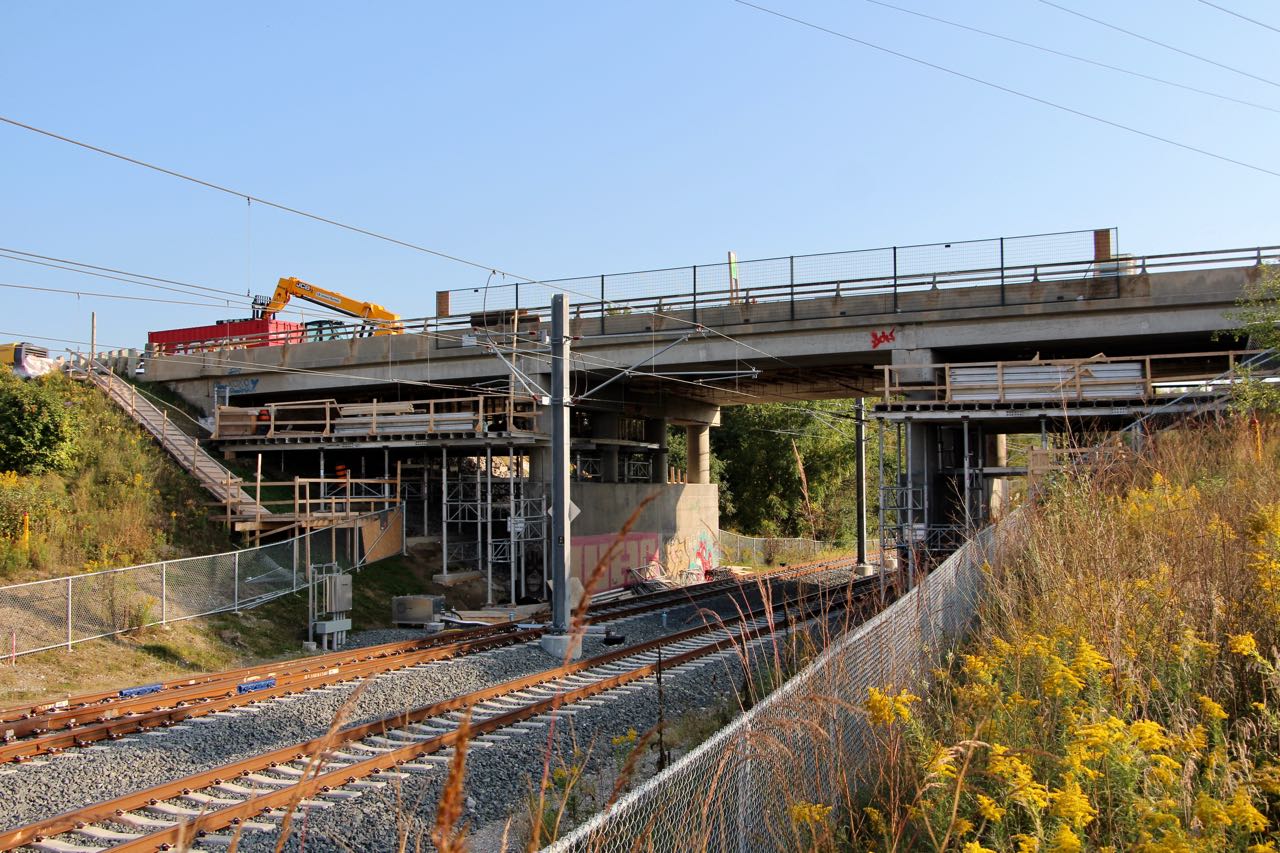
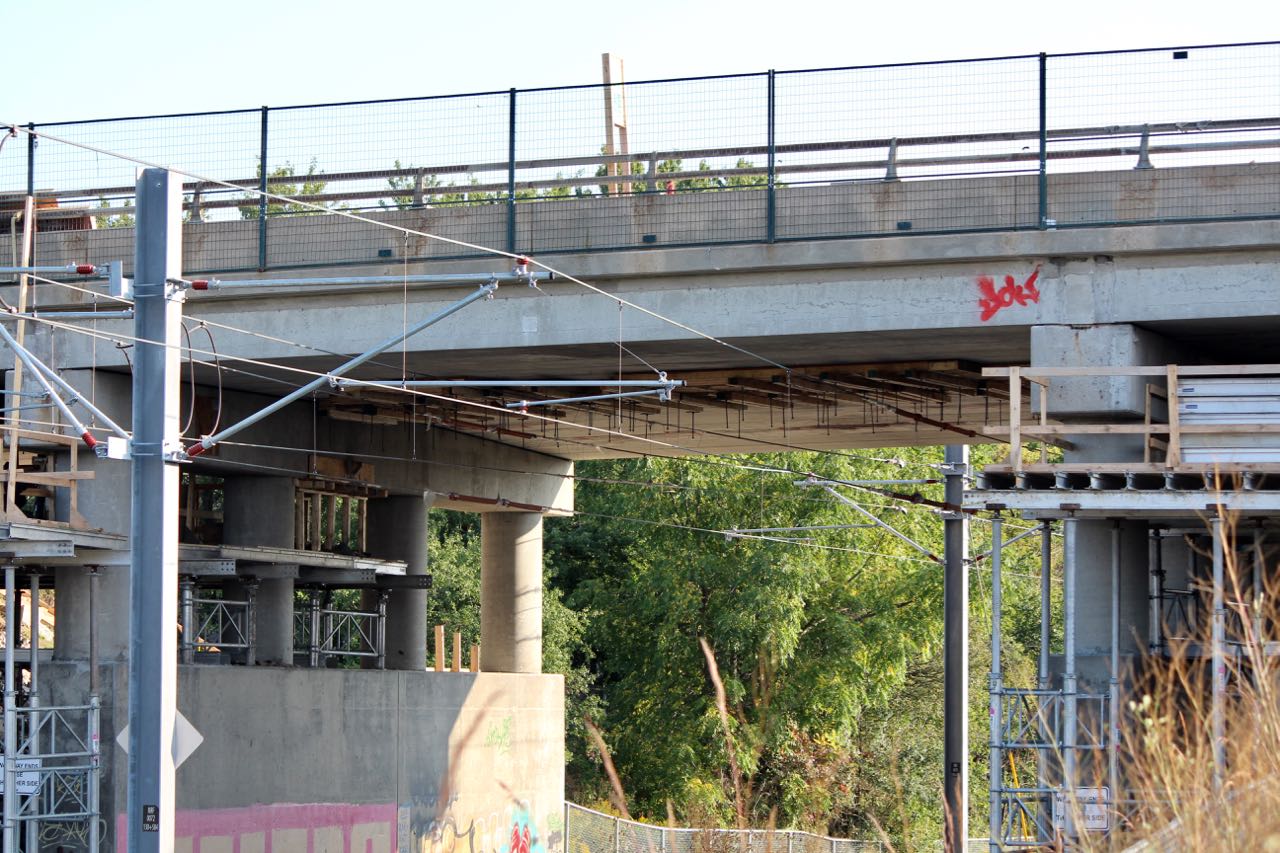
What's the deal with the Weber St bridge? The official closure is between Dutton Parkside and Albert and the LRT naysayers believe the concrete poured means the system is still being built. Was that supposed to be ready in July?
Posts: 8,075
Threads: 39
Joined: Jun 2016
Reputation:
221
09-20-2017, 11:30 PM
(This post was last modified: 09-20-2017, 11:32 PM by danbrotherston.)
(09-20-2017, 10:38 PM)Bob_McBob Wrote: What's the deal with the Weber St bridge? The official closure is between Dutton and Albert and the LRT naysayers believe the concrete poured means the system is still being built. Was that supposed to be ready in July?
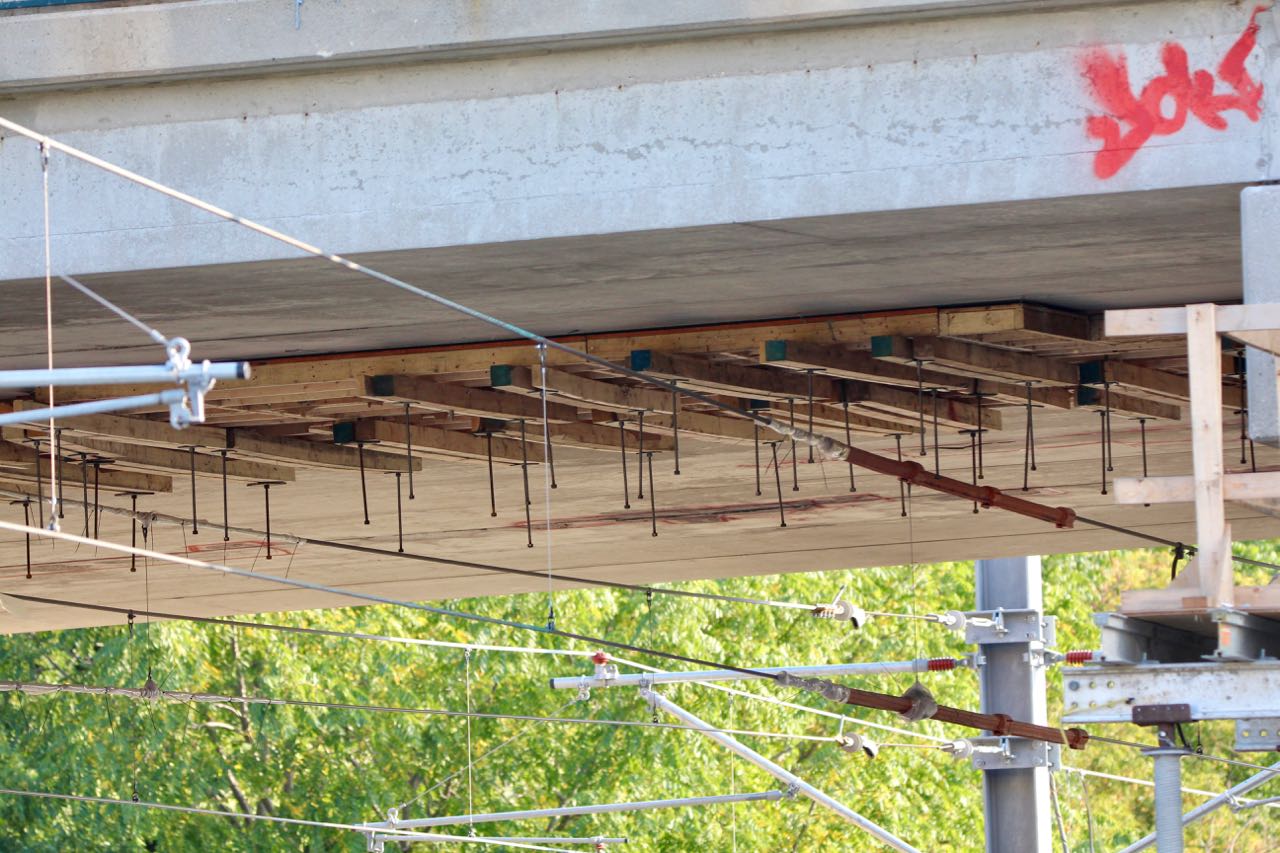
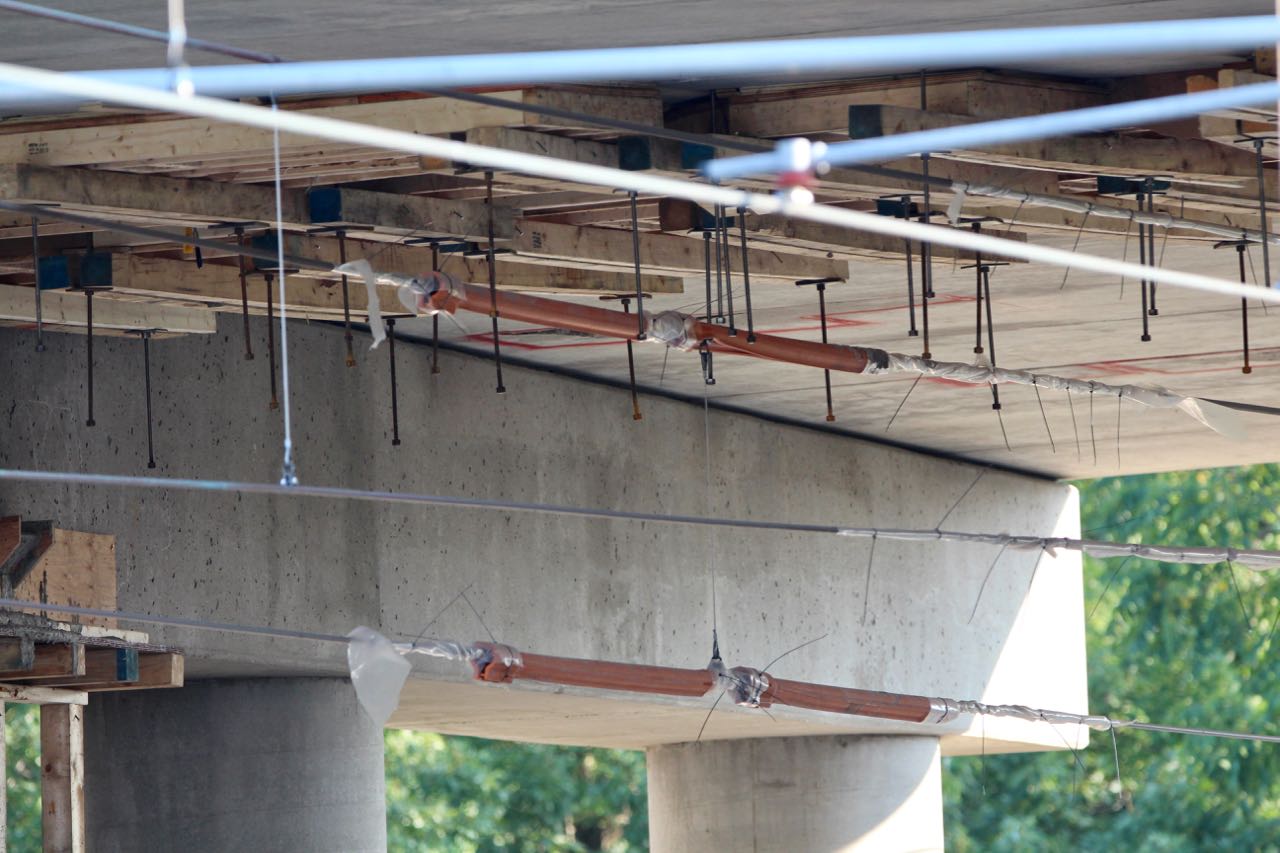
The Weber St. bridge work is entirely unrelated to the LRT work, it's rehabilitation of a 60 year old bridge that happens to go over a railway which happens to have been re purposed as part of the LRT.
I don't know the timeline on that work, or even why it would involve closing the road....(All of the topside surface reconstruction isn't happening for at least a year or two).
Posts: 829
Threads: 5
Joined: Nov 2015
Reputation:
47
09-20-2017, 11:42 PM
(This post was last modified: 09-21-2017, 12:11 AM by Bob_McBob.)
What's the ION construction happening between Dutton Parkside and Albert?
Posts: 6,905
Threads: 32
Joined: Oct 2014
Reputation:
224
Just adding permanent safety fences on both sides, to prevent anyone from getting too close to the OCS (or throwing stuff at trains).
It just so happens Aecon got the contract for the rehabilitation work - and they're also a GrandLinq partner. So, some efficiencies are there in having them do the work all together.
Posts: 116
Threads: 0
Joined: Sep 2016
Reputation:
4
(09-21-2017, 04:50 AM)Canard Wrote: Just adding permanent safety fences on both sides, to prevent anyone from getting too close to the OCS (or throwing stuff at trains).
It just so happens Aecon got the contract for the rehabilitation work - and they're also a GrandLinq partner. So, some efficiencies are there in having them do the work all together.
Yeah one less contractor to train as all work on or near the tracks requires at minimum about a days worth of various in class training/info sessions for all workers. All work on/near the tracks require work permits completed and approved around a week in advance of the work being performed, lock out tag out, etc. Likely lots of efficiency to be had.
Posts: 4,498
Threads: 1
Joined: May 2015
Reputation:
215
(09-21-2017, 04:50 AM)Canard Wrote: Just adding permanent safety fences on both sides, to prevent anyone from getting too close to the OCS (or throwing stuff at trains).
It just so happens Aecon got the contract for the rehabilitation work - and they're also a GrandLinq partner. So, some efficiencies are there in having them do the work all together.
Do you understand the concrete work under the bridge?
Posts: 829
Threads: 5
Joined: Nov 2015
Reputation:
47
What work is actually remaining other than integrating signalling and trains? Someone on Facebook mentioned concrete pouring in multiple sections of Courtland, a rail excavator operating between Mill St and Hayward, and various welding, basically saying the tracks are far from completion.
Posts: 4,618
Threads: 16
Joined: Aug 2014
Reputation:
153
A walk through the Downtown loop with a close eye will show you various points that are incomplete - small patches of concrete that are removed for various adjustments and repairs.
None of it is very extensive, but there are several areas with them.
Posts: 8,075
Threads: 39
Joined: Jun 2016
Reputation:
221
(09-21-2017, 09:01 AM)Bob_McBob Wrote: What work is actually remaining other than integrating signalling and trains? Someone on Facebook mentioned concrete pouring in multiple sections of Courtland, a rail excavator operating between Mill St and Hayward, and various welding, basically saying the tracks are far from completion.
I don't know, I haven't seen it, but when I walked down there a few weeks ago, they appeared completed.
Posts: 5
Threads: 0
Joined: Mar 2017
Reputation:
0
(09-20-2017, 07:53 PM)YKF Wrote: (09-20-2017, 04:28 PM)GtwoK Wrote: Thank GOD. So sick of seeing this:
![[Image: X6ISjMy.jpg]](https://i.imgur.com/X6ISjMy.jpg)
Why is the freight portion of this so wide, anyway? Or paved, for that matter? Freight doesnt need that much room, and people doing this wouldn't have been possible if they had made the freight ROW just as wide as the LRT ROW I've wondered the same thing. It looks as though the rail ROW is part of the drive aisle.
We eat at Famosa somewhat often and I've been confused too. Piles of people walk, drive and bike down the paved stretch. Watched an elderly couple struggle to walk down the drop at the ION station coming out of the mall. It's not obvious at all whether or not you can walk there.
Also while eating there Sunday night the signals all along that stretch when haywire. Arms stuck halfway down, lights and bells going off, the traffic on Caroline and Erb was stopped for a bit too - no train in sight.
Posts: 487
Threads: 0
Joined: Oct 2014
Reputation:
22
Why isn't that section in concrete?
Posts: 4,498
Threads: 1
Joined: May 2015
Reputation:
215
(09-21-2017, 09:07 PM)JoeKW Wrote: Why isn't that section in concrete?
None of the freight track is embedded. It’s all ballasted, including underneath that asphalt — it’s built exactly like a very long level crossing. At Erb and Caroline, the two tracks are built quite differently.
Which doesn’t really answer your question, but spreads it out to a more general question about the difference between the construction of the freight track and the LRT-only track.
I figure they should have used another gauntlet track segment there and reserved the area currently used by the freight track for the trail. The curve might have been tricky however — as constructed the LRT goes straight through the station then curves relatively sharply, while the freight track curves more gradually. I don’t think that’s a show-stopper, given that the overall design could have been slightly different, but it might not have been quite as simple as I make it sound.
Posts: 439
Threads: 2
Joined: Jun 2015
Reputation:
59
(09-21-2017, 09:18 PM)ijmorlan Wrote: (09-21-2017, 09:07 PM)JoeKW Wrote: Why isn't that section in concrete?
None of the freight track is embedded. It’s all ballasted, including underneath that asphalt […]
So the question becomes — why is it paved?
Posts: 6,905
Threads: 32
Joined: Oct 2014
Reputation:
224
Concrete is essentially rigid, which is great when you have a (relativley) lightweight vehicle on it. It doesn't need to flex.
A freight train, however, is very heavy. The tracks actually flex under the weight of the train as it rolls over. So too does the pavement.
Embedding tracks that would be suitable for a freight train to go over would require an astronomical amount of concrete. I can't think of anywhere where I've seen that done. It's just not an industry standard at all. This is why all the rail crossings along the spur lines use deck plates with the ballasted track continuing underneath, not embedded track.
You can rip up the pavement pretty easily and re-tamp, too - and then lay down more pavement over top. That can be done quickly and economically - like re-doing some drywall. It may appear like a lot of work, but it's actually pretty cheap, and all the tools are in place to handle it.
Another point is the transitions - going from ballasted to embedded (or back) is very tricky. Even for the LRVs, there's a complex foundation under the ballast that steps up, shallowing the ballast as it approaches the fully embedded section. If they didn't have that, there would be a very difficult to maintain transition between the "Spongy" ballasted track and the "rigid" embedded track. The significantly higher mass of a freight train would pummel that into a massive speed bump in no time.
|